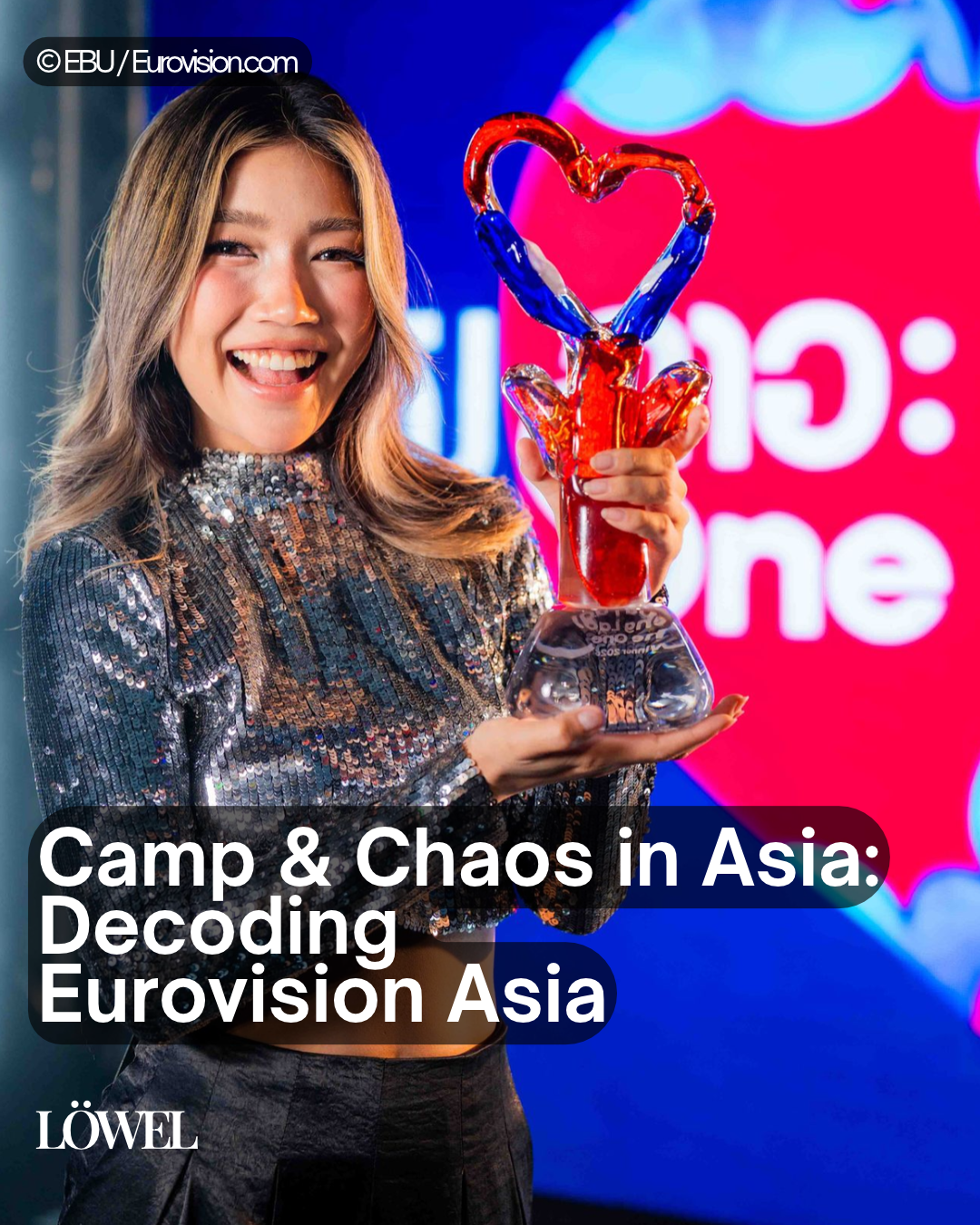
Image: Laos’s Thinla. ©EBU / Eurovision.com
Next week, history will be made in Bangkok.
On November 14th, the first-ever Eurovision Song Contest Asia will take place, bringing 11 nations together for a high-stakes clash of regional traditions and pop excess.
Eurovision has always been considered a holy grail for camp, becoming one of the most open and inclusive environments, of course, united by music. But ESC Asia 2026 is transforming tradition. Artists like Tóc Tiên are blending Vietnamese culture with futurism, through elaborate staging, while Malaysia’s Aina Abdul’s avant-garde fashion is through the roof. Laos’s rising star Thinla is already at the center of attention, with her ‘Floptropica’-coded track BAE, winning the hearts of many. Maybe vocals aren’t everything! And here comes the Philippines, with their massive, Sobra-Sobra from Carmelle. A banger.
And despite the talent, the most compelling, interesting art, comes from friction. Behind the curtain, Bangkok’s stage has become a battleground. The contest has been rocked by a $1 million budget cut, creating clashes between the EBU and local Thai producers and designers, fighting over control for stage aesthetics.
But this isn’t a story of exploitation. Perhaps it’s just the growing pains associated with building unity. This tug-of-war mirrors Pieter Bruegel the Elder’s The Tower of Babel (1563). Bruegel’s masterpiece doesn’t depend on the fall of the tower, and of course, the human ambition that was thought to have rivaled God, and then the subsequent forced diversity…, but rather the craftsman working together to create something monumental.
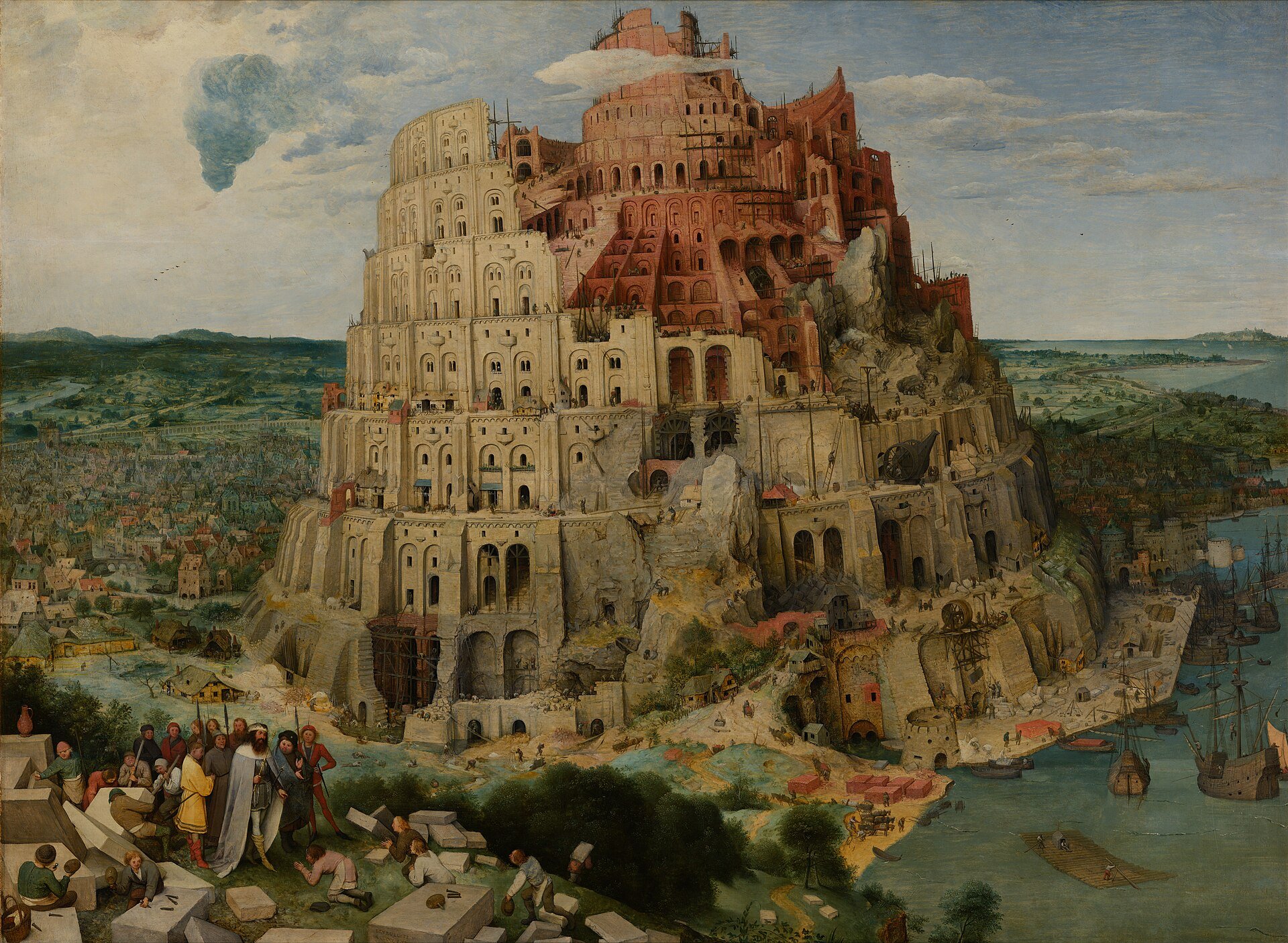
Pieter Bruegel the Elder’s The Tower of Babel (1563). Image courtesy of Wikimedia Commons.
Eurovision has always been the light at the end of the tunnel (especially on Eurovision Week), becoming a place for cross-border harmony, but exporting that Western blueprint to the center of T-pop and rich, Asian traditions is a massive feat. There isn’t a media-organization across Asia such as the EBU to easily facilitate this. But yet, we continue to be United by Music!
Plus, DARA’s gonna be there, so like… we can all use a bit of Bangaranga energy.
And one more thing. For the people who still don’t understand why it’s not called “Asiavision,” it’s because Eurovision is such a legacy brand. How can you have a music competition without thinking of the legendary.
