The Swing
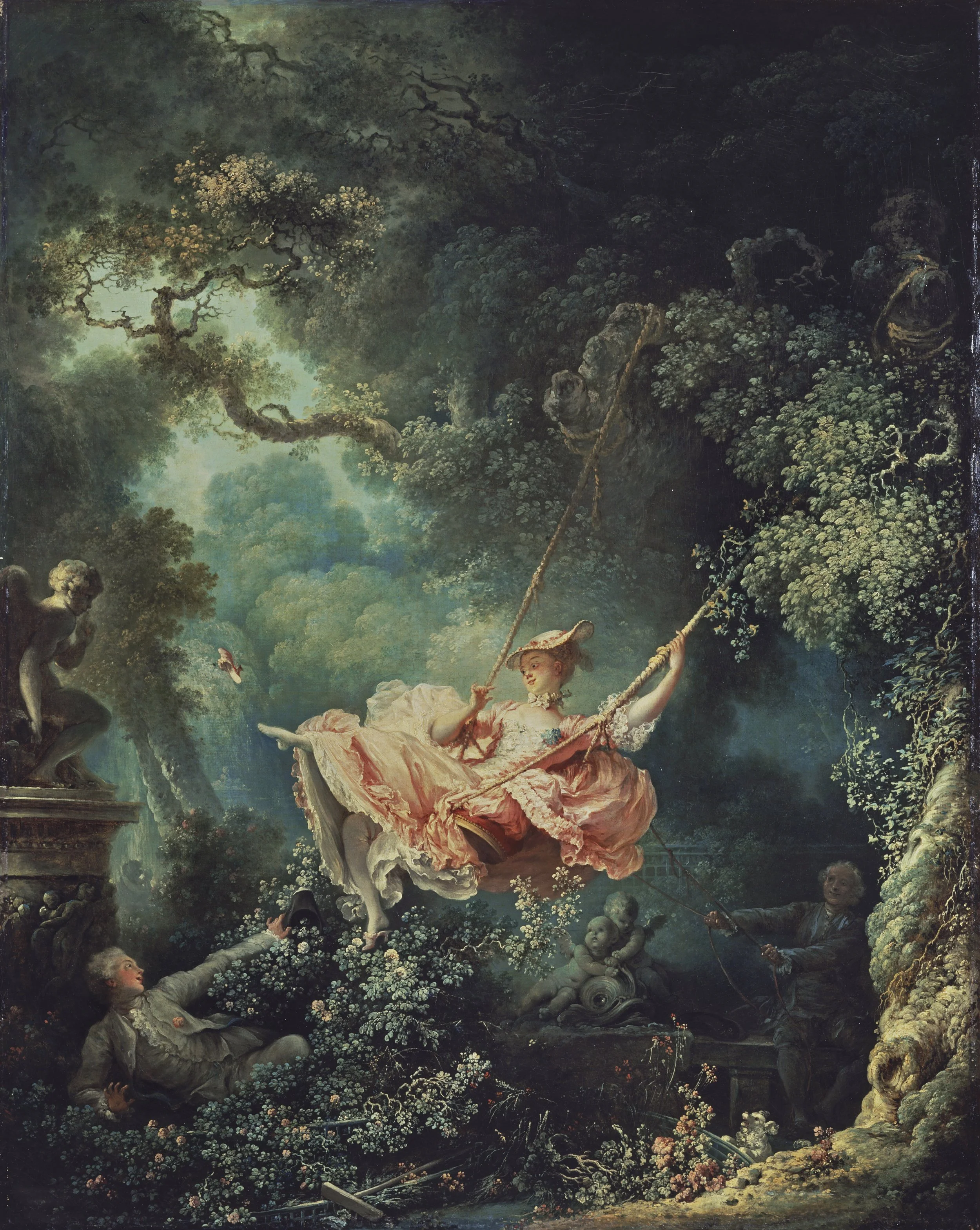
Jean-Honoré Fragonard, The Swing (1767). Oil on canvas, 81 × 64 cm. The Wallace Collection, London. Image courtesy of Wikimedia Commons / Public Domain.
The Swing: World Cup Analysis
Read our World Cup Analysis of the Swing (PDF):
You’ve probably seen Fragonard’s 1767 Rococo masterpiece representing love, scandals, and secrets. Yet, look closer, and it serves as a beautiful metaphor for the unity, dedication, and nature of the World Cup.
Fragonard builds the canvas using details that mirror our love for the sport:
The Magic (The Woman): Floating effortlessly in a spotlight of pink, she captures the euphoria and pure excitement of a classical World Cup moment. When a last-minute goal is scored, and when national boundaries fade away, millions of strangers share the same joy. That human connection is real and beautiful.
The Fan (The Man in the Bushes): Looking up in utter awe, this figure represent us, being the global audience. He is completely mesmerized by the display, the flight of the ball, and swept up in the emotion of the game. He reminds us of why we fall in love with the sport: the sheer joy of watching greatness.
The Support (The Old Man): Hidden away in the dim background, an older main pulls the heavy ropes to maintain the swing’s momentum. This represents the backstage teamwork, coaching, and coordination required to be brought into the global stage. He serves as a reminder that behind every moment on the pitch, human collaboration keeps the dream alive. Yet, he cannot hold the rope forever.
The Fragility (The Fraying Rope): Look at the top of the swing, where the rope starts to fray. This subtle detail from Fragonard reminds us that this perfect moment cannot hang in the air forever.
The World Cup tournament is a beautiful dream, but it has a natural expiration date. The golden generation will eventually age out, tournaments come to an end, and fans must return to reality. Yet, this fragility is what makes this game so precious. But don’t worry! The beauty of the cycle is that it always comes back around in four years.
