Our Saint Rosalía
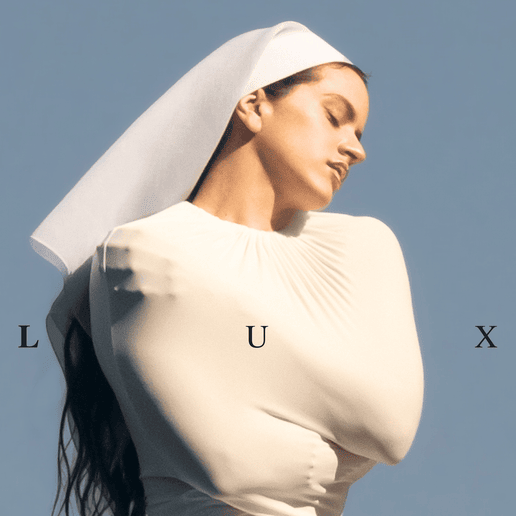
HOW LUX BLENDS ANDALUSIAN DEVOTION WITH FEMININE RECLAMATION
A deep-dive into Rosalía’s “De Madrugá,” and how it relates to Artemisia Gentileschi’s baroque masterpieces.
LUX album (2025). Image courtesy of Columbia Records / Sony Music Entertainment.
Semana Santa ended a while ago and honestly, Rosalía’s LUX tour is coming to an end. But as the stadium lights dim, the actual and genuine weight of performance begins to settle. The intersection of her elegant and experimental avant-garde pop and sacred tradition is rarely treated with such genuine theological weight. Yet, in her ambitious LUX, Rosalía does not just sample religious aesthetics. She weaponizes them. Take a listen to her album and you’ll notice striking similarities, bridging both her devotion to music and the midnight processions of Spain’s Holy Week (Semana Santa).
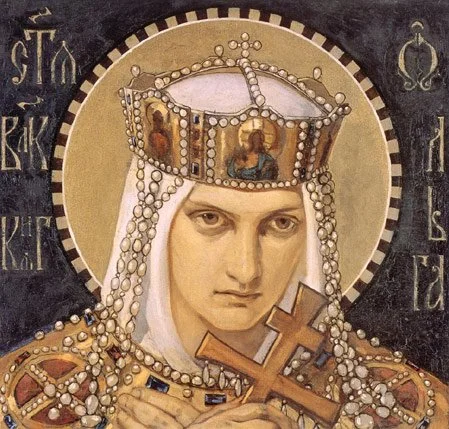
The Fire and the Crown: The Lore of Saint Olga
The structural core and idea of one track that stood out to us the most, “De Madrugá,” her shortest with a run time of only 1 minute and 44 seconds, relies on an intentional subversion of what is seen as holy identity. Rosalía strips away the sorrowful and passive imagery traditionally associated with feminine divinity, choosing instead to refer to Saint Olga of Kyiv. In a haunting vocal shift, Rosalía shifts the language entirely to chant in Ukranian: “Я не шукаю помсти, помста шукає мене” (“I do not seek revenge, revenge seeks me”).
This verse represents the legacy of Olga, a 10th-century regent who followed through on a series of blood-soaked acts of vengeance aimed at the Drevlians to avenge her murdered husband. Her most famous act of retribution involved her “Fire Birds,” where she demanded pigeons and sparrows from her enemies as an act of peace, only to have her soldiers tie burning cloth to the birds’ legs, letting them fly back to set their entire city ablaze. Rosalía further mirrors this piece of folklore, singing her Spanish lines: “Traigo mil lenguas de fuego… t
o'as en mi pelo” (“I bring a thousand tongues of fire… all in my hair”).
By centering Olga’s ruthless yet calculated wrath, “De Madrugá” redefines what we consider the boundaries to holiness. Olga was later canonized as a saint years after her revenge-driven acts, transforming her into one of the most interesting contradictions in religion. Rosalía utilizes this twist to frame revenge as not mindless violence, but as a grueling and physical struggle with grief.
Nikolay Bruni, Saint Olga (1901). Image courtesy of Wikimedia Commons
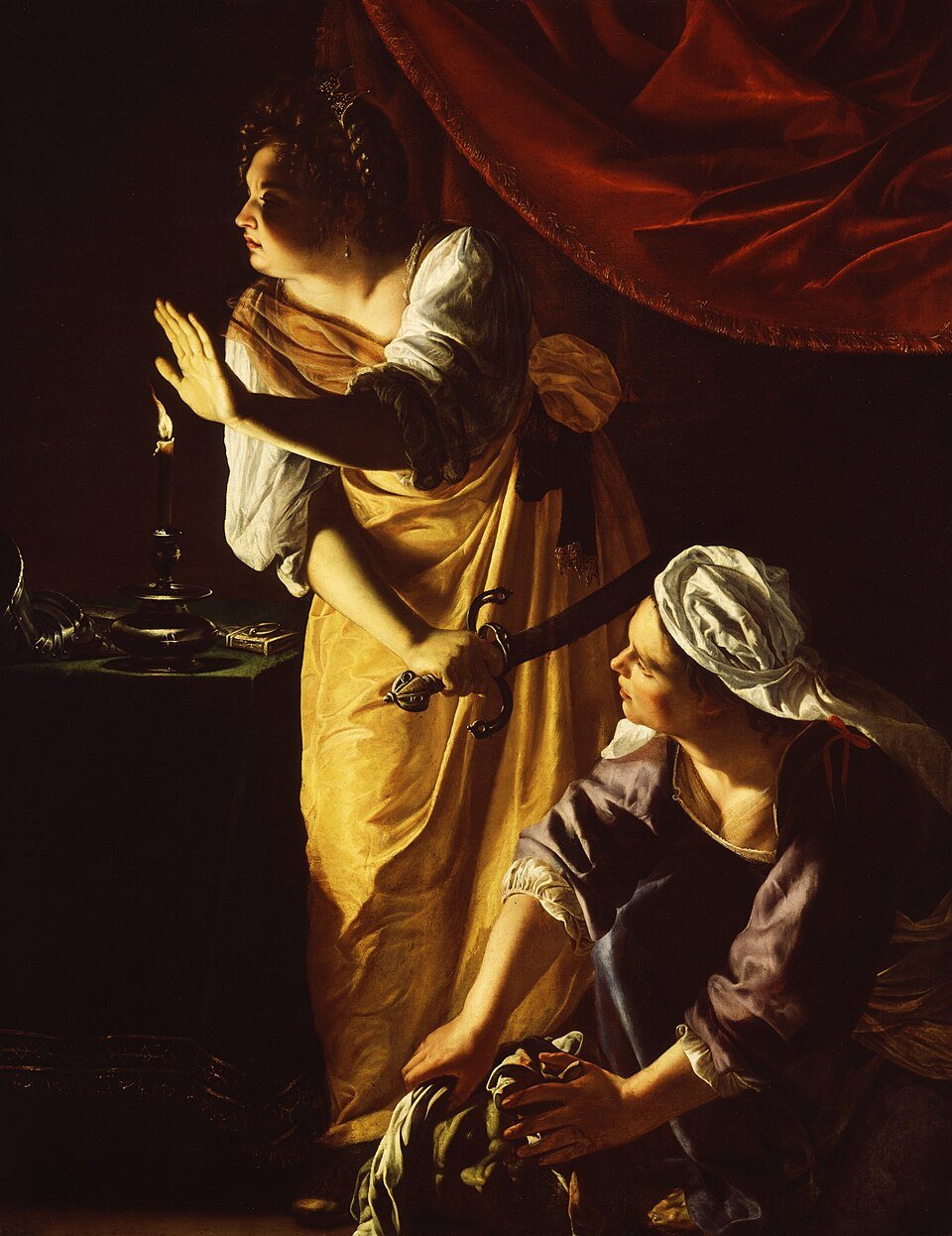
This strategy directly mirrors the style of Baroque Painter Artemisia Gentileschi. Just as Gentileschi used harsh shadows and candlelit scenes to depict powerful women taking back their power through bloodshed, specifically seen in Judith Slaying Holofernes (c. 1620) and Judith and Her Maidservant with the Head of Holofernes (ca.1623-1625),
Rosalía uses her industrial electronic beats to transform a historic tragedy into a moment of female empowerment.
Artemisia Gentileschi, Judith and Her Maidservant with the Head of Holofernes, ca.1623-1625, oil on canvas. Detroit Institute of Arts, Gift of Mr. Leslie H. Green, 52.253.
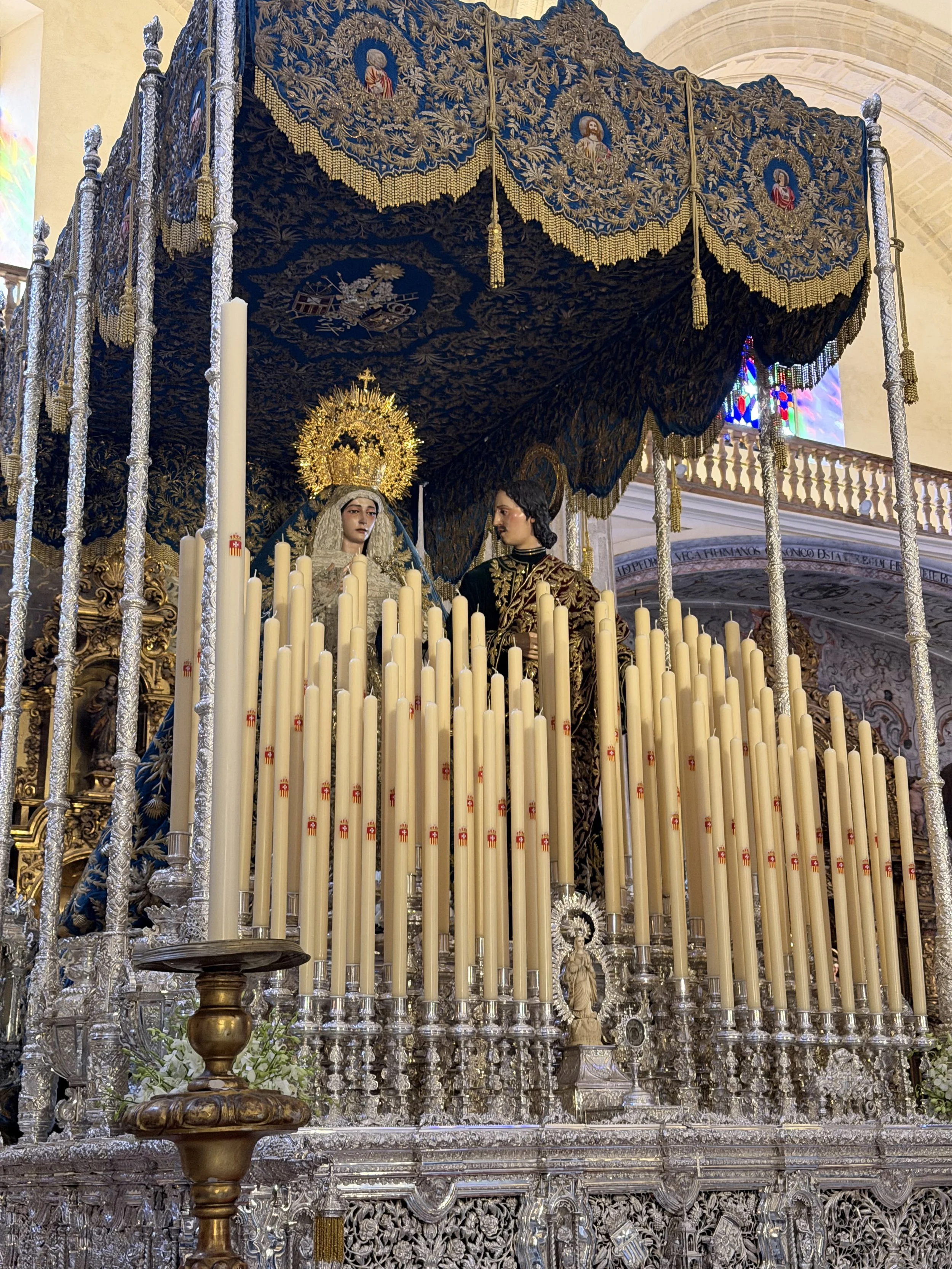
ECHOES OF THE MIDNIGHT PROCESSION
While the track is explicitly built on the history of Saint Olga, its sound and hook draw striking similarities to Spain’s Holy Week (Semana Santa). The title itself, De Madrugá, echoes the phrase used to describe La Madrugá, which is the most sacred, tense, and sleepless night of the Spanish processions, taking place during the night of Maundy Thursday transitioning into Good Friday, where streets fall into a trance as massive pasos (floats carrying centuries-old sculptures) tower over the crowds, lit entirely by thousands of flickering candles.
Hear the breathless flamenco palmas (clapping). They represent the suffocating pressure felt by costaleros, which are the hidden men who carry the multi-ton masterpieces on the back of their necks. Perhaps listen to this line of “De Madrugá:” “Me pesan las cadenas” (“The chains weigh me down”). Rosalía’s voice pierces the heavy instrumentation here, capturing the essence of what is a saeta: a religious song, coming from the Latin word sagitta, meaning arrow, where the raw voice pierces from the heart to religious statues below. When Rosalía sings, “La Cruz en el pecho calibra mi cuerpo, para desquitarme yo Tengo derecho.” (“The cross on my chest calibrates my body, I've got every right to get even”), she frames devotion as a physical test. Her body feels the heavy weight of her mourning until it changed her. The final phrase “на світанку” (“at dawn”) provides closure, signaling a sort of rebirth as the track shifts from the night to the day.
Detail of a paso procession, Seville. Photography by LÖWEL, 2026.
